What is Periodontal Probing?
A routine way to evaluate the health of your gums
Sarah, RDH
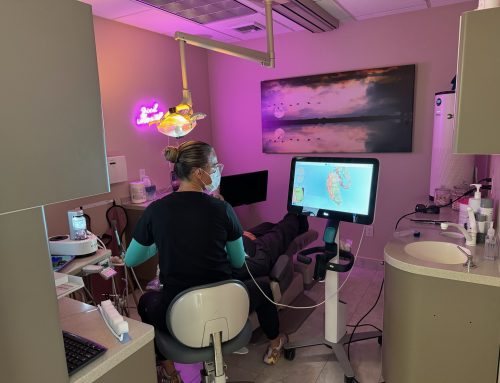
Periodontal probing is a routine way for your dental professional to evaluate the health of your gums. This information is used to establish a baseline at your initial visit. The periodontal charting is then used to diagnose gingivitis or periodontal disease.
Probing
Probing is the measurement of the naturally occurring opening between your tooth and the gum tissue. This space is called a pocket. We routinely measure and record pocket depths at your preventive hygiene visits to monitor changes in the gum health. A periodontal probe is the instrument used to measure the pockets, it is metal with a blunt tip and millimeter markings, like a tiny ruler for your mouth.
A person with healthy gums will have measurements that are 3 millimeters or less and no bleeding on probing. Measurements of 4 millimeters or greater can be a red flag. This could mean that the gum tissue is either swollen or it could mean there is bone loss around the tooth causing a deeper pocket. In both cases, either swollen gums or bone loss, the cause is usually a result of bacteria.
Gingivitis
Bacteria under the gum line and in between the teeth that is not routinely removed by brushing and flossing can accumulate and irritate the gum tissue. This can lead to gingivitis, which is a bacterial infection of the gums. Deeper pocket depths and bleeding upon probing are the result of gums swelling and become inflamed due to this infection. The good thing is that gingivitis is reversible and with good oral hygiene, the gums will return to health.
Periodontal Disease
When the probing measurements increase to 4 mm and greater, and bone loss can be seen on an x-ray, that is periodontal disease. Periodontal disease includes both inflammation of the gums and the loss of bone support around the teeth. This is a result of bacterial build up above and below the gum line. Once bone loss occurs it cannot be regrown. But treatment can be done to remove the toxins, bacteria, plaque and tartar from above and below the gum line to treat periodontal disease.
Scaling and root planing is a non surgical procedure that is done by your dental hygienist. It usually will require 2 to 4 visits. After treatment is completed, you will be on a routine periodontal maintenance program, usually every three to four months. Periodontal probing will be used to evaluate healing of your gum tissue. The pocket depths will improve and the gum tissue will tighten around the teeth.
Prevention Is Key
Periodontal probing should not be painful. The hygienist is trained with a precise technique to gently record your measurements. You should pay attention to your numbers and ask how you can help improve your gum health. A periodontal charting will be recorded at a minimum of once a year. Our goal is to keep your gums healthy for your lifetime.